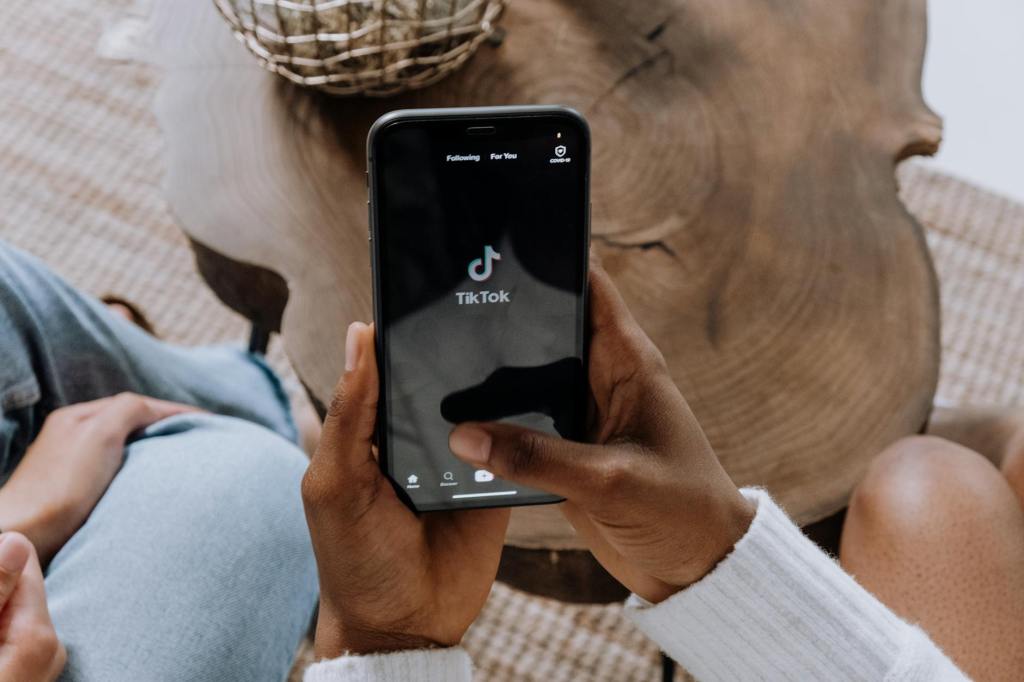
With the looming TikTok ban, social media users across various platforms are asking a common question:
So, where are we going next?
This collective we suggests that most people are looking for the next big thing in social media, hoping to follow the crowd to whatever platform rises to fill the gap. As a social media professional with over ten years of experience—and someone who’s witnessed the rise of social media since Facebook’s early days in 2006—I can tell you one thing: we are entering a phase where social media is no longer centralized.

TikTok has evolved into its own metaverse, a digital ecosystem where creativity, connection, and culture merge in real-time. Unlike traditional social media platforms that primarily focus on content sharing, TikTok offers a highly immersive and interactive experience, blurring the lines between virtual and real life. Through its algorithm-driven “For You” page, users are exposed to endless streams of personalized, bite-sized content that caters to every interest and niche.
It’s not just a place to post videos; it’s a dynamic environment where trends are born, social movements take shape, and users form micro-communities based on shared passions. With features like live streaming, augmented reality effects, and virtual gifts, TikTok is shaping itself into a fully immersive world where users can express themselves, engage with others, and even build businesses—all within its own self-contained metaverse.
A Shift Away from Centralized Social Media
In the past, a few dominant platforms, such as Facebook, Instagram, Twitter, and TikTok, ruled the social media world. These platforms controlled how we interacted, who we connected with, and the type of content that gained traction. But with a decentralized social media landscape, things are changing.
The idea of decentralization means moving away from these corporate-controlled platforms and embracing a variety of new, independent networks that put power back into the hands of users. While this shift may feel daunting, it offers both exciting possibilities and challenges.
The Pros of Decentralized Social Media
- Wider Reach & Consciousness: One of the major benefits of decentralized social media is the opportunity to tap into networks that aren’t controlled by big tech. By connecting with communities that align with your values or niche interests, you can expand your reach and broaden your consciousness. These networks allow you to reach new audiences without being subject to the restrictions and biases of mainstream platforms.
- Authenticity and Freedom: In a decentralized world, content creators have the freedom to express themselves without the constraints of algorithm-driven platforms. Without the same audience they’ve been engaging with for years, users can experiment, share different aspects of themselves, and build a more authentic online presence. There’s less pressure to conform to the trends that may have been dictated by larger, centralized platforms.
- More Control for Creators: On decentralized platforms, content creators often have more control over their data and the monetization of their content. This is a huge step forward in a time when creators are becoming increasingly frustrated with platform policies that impact how they earn a living.
The Challenges of Decentralized Social Media
As with anything, decentralization comes with its downsides. Managing several different networks can be time-consuming and overwhelming.
Unlike centralized platforms where you know exactly where your audience is, decentralized platforms require more exploration and trial and error. While some of these platforms are growing quickly, the user base is still smaller, meaning you may have to work harder to build a following.
Additionally, while decentralization can be a path to more freedom, it can also lead to more fragmented communities and, in some cases, misinformation. Without a central entity to moderate content, there’s a greater responsibility on users to curate what’s appropriate and ensure that discussions remain healthy.
Six Decentralized Social Networks to Check Out
If you’re ready to explore the future of social media, here are six decentralized social networks that you should consider joining:
- Mastodon – A decentralized, open-source platform that allows users to create their own servers and communities. You can control the content and moderation within your community. Explore Mastodon
- Hive Social – A social platform blending the best features of Instagram and Twitter, where creators have more freedom to shape their feeds and engagement. Join Hive Social
- BlueSky – Backed by Twitter co-founder Jack Dorsey, BlueSky offers a decentralized alternative with a focus on creating a more open and transparent social experience. Join BlueSky
- Peertube – A decentralized video hosting platform that allows creators to share content without being beholden to YouTube’s policies and algorithms. Join Peertube
- Lens Protocol – A decentralized social network built on blockchain technology, focusing on empowering creators with full control over their content and networks. Explore Lens Protocol
- Minds – A decentralized social media platform that rewards users with tokens for their contributions, providing an alternative to traditional social media ad revenue models. Join Minds
The Future of Social Media
With the rise of decentralized social media, we are entering a new phase where users have more control, freedom, and opportunities to express themselves. The idea of decentralization may feel new and intimidating, but it’s a chance to shape a digital landscape that’s more connected, authentic, and diverse.
However, the future of social media isn’t guaranteed. The threat of a TikTok ban and other platform restrictions remind us that centralized control is still very much in play.
Regardless of what happens with TikTok, decentralization is already underway, and it’s up to us as users, creators, and thought leaders to drive it forward.
It’s an exciting time to be part of this transformation. Will you take the leap into decentralized social media? The choice is yours.




 Giselle Avenue
Leave a comment